There are 8 ounces in a cup of water, and only 4.25 in flour
A US cup holds 8 fluid ounces, but a cup of flour weighs about 4.25 ounces and a cup of sugar about 7. Here's a cups to ounces chart for common ingredients, the cup sizes used around the world, and the math for converting without ruining a batch.
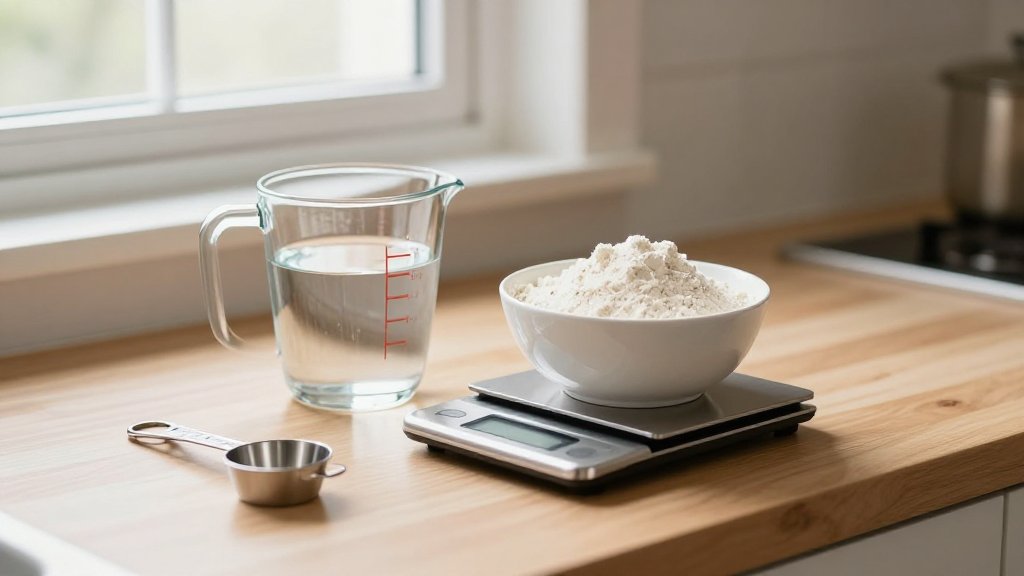
A US cup holds 8 fluid ounces, but tip a cup of flour onto a scale and it reads about 4.25 ounces. Both numbers are right. The trouble is that recipes, labels and measuring cups use the same word, ounce, for two different things, and that's why the ounces in a cup seem to change depending on who you ask.
Here's the short version. If the recipe is talking about a liquid, 1 cup equals 8 fluid ounces, a measure of space. If it's talking about weight, the number depends entirely on the ingredient, from 4 ounces for confectioners' sugar to 8 ounces for milk. The chart below covers the ones you'll use most.
How many ounces in a cup, and which ounce do you mean?
The US customary cup is defined as half a US liquid pint, which works out to about 236.59 milliliters. NIST's conversion table puts one fluid ounce at 29.57 mL, so eight of them fill the cup. That's the full count of fluid ounces in a cup for water, broth, juice and anything else you pour.
Fluid ounces measure space
A fluid ounce doesn't care what's inside it. Eight fluid ounces of honey and eight fluid ounces of olive oil take up the same room in the cup, even though they won't weigh the same. When a recipe writes "8 fl oz," grab a liquid measuring cup with a spout and fill it to the line at eye level.
Dry ounces in a cup are a weight
There isn't really such a thing as a dry fluid ounce. When people say dry ounces, they mean ordinary weight ounces, and those depend on how dense and fluffy the ingredient is. A cup of packed brown sugar weighs nearly twice what a cup of rolled oats does, even though both fill the same cup.
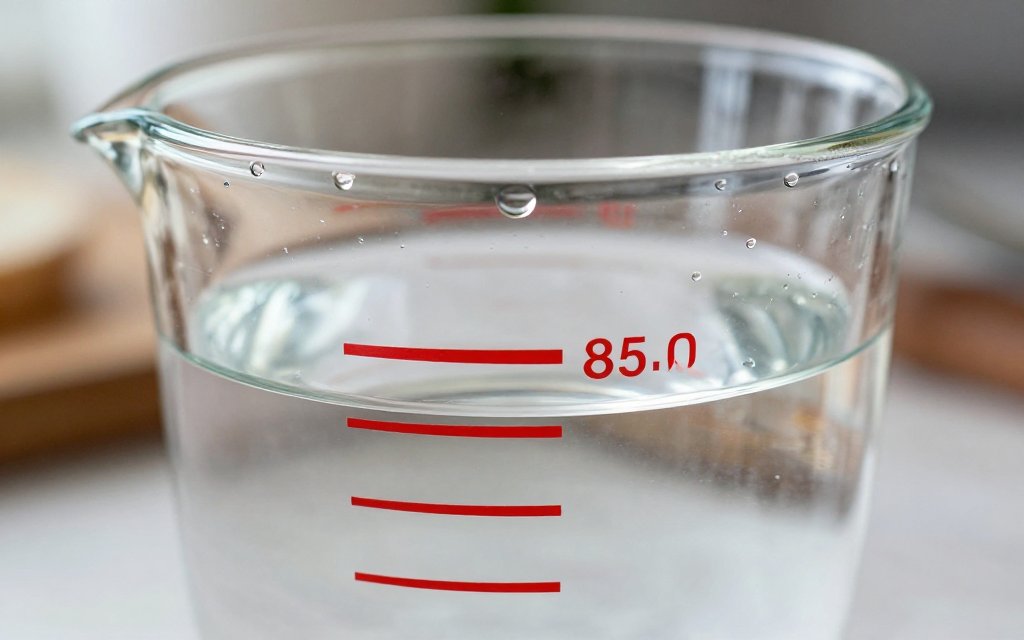
Rule of thumb: if you pour it, 1 cup is 8 fluid ounces. If you scoop it, look up its weight or put it on a scale.
A cups to ounces chart for common baking ingredients
These weights come from the King Arthur Baking ingredient weight chart, which assumes flour is spooned into the cup and leveled. Use it any time a recipe gives cups and you'd rather weigh. For grams, our grams to ounces converter handles the switch.
| Ingredient | Ounces per cup | Grams per cup |
|---|---|---|
| Water or milk | 8 oz | 227 g |
| Heavy cream | 8 oz | 227 g |
| Packed brown sugar | 7 1/2 oz | 213 g |
| Granulated sugar | 7 oz | 198 g |
| Vegetable oil | 7 oz | 198 g |
| Chocolate chips | 6 oz | 170 g |
| All-purpose flour | 4 1/4 oz | 120 g |
| Confectioners' sugar | 4 oz | 113 g |
Notice how few ingredients actually hit 8 ounces. Water, milk and cream do, because they're mostly water, and water happens to weigh close to an ounce per fluid ounce. Flour, by contrast, is full of air pockets, which is why our flour cups to grams chart spends so much time on how you fill the cup.
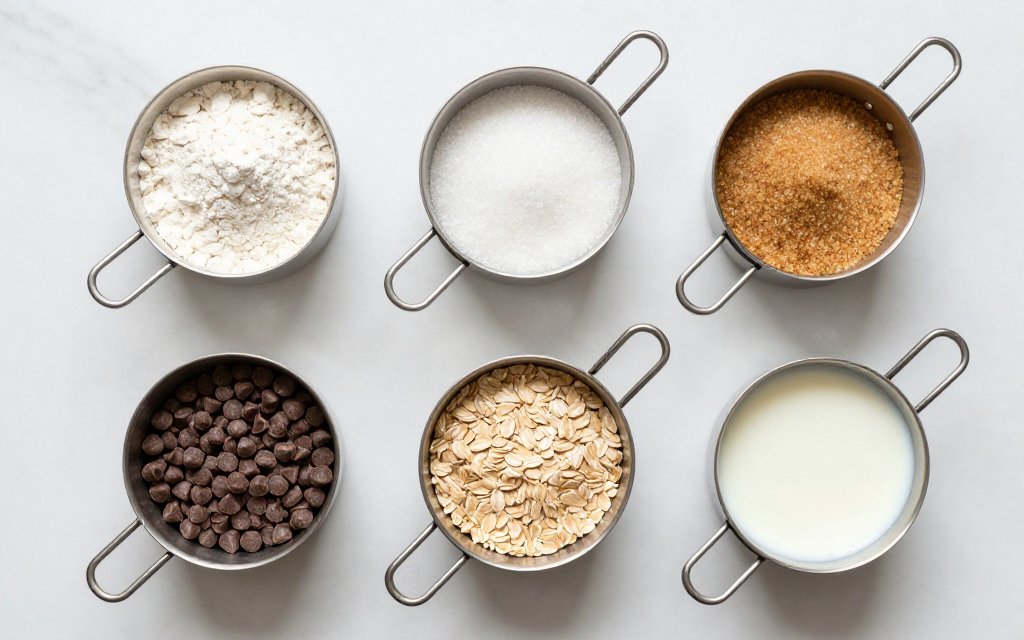
Why liquids mostly land near 8 ounces
One cup of water weighs about 8 ounces, or 227 grams, on the King Arthur chart. Oil is lighter than water, so the same cup weighs only 7 ounces. If you've ever wondered why a gallon of water weighs 8.34 pounds, it's the same math scaled up.
Not every cup is the same size around the world
Even the volume answer shifts once you leave the US kitchen. Nutrition labels use a rounded legal cup, and many Commonwealth countries use a metric cup that's a little bigger. Japan uses a smaller one again.
| Cup type | Milliliters | US fl oz |
|---|---|---|
| US customary | 236.59 mL | 8 |
| US nutrition label | 240 mL | 8.12 |
| Metric (AU, CA, NZ) | 250 mL | 8.45 |
| Japanese | 200 mL | 6.76 |
Under the FDA's labeling rules in 21 CFR 101.9, a cup means 240 mL, a fluid ounce means 30 mL and an ounce of weight means 28 grams. Those rounded figures are why a carton's serving size can look slightly off from your measuring cup. The gap is only about 3.4 mL per cup, so it won't matter in a soup.
Doing an oz to cup conversion without wrecking the recipe
For liquids, the conversion is a single step: divide fluid ounces by 8 to get cups, or multiply cups by 8 to get fluid ounces. So 12 fl oz of stock is 1 1/2 cups, and 3 cups of milk is 24 fl oz. For anything dry, divide the weight by that ingredient's ounces per cup instead.
Reading 8 oz to cups on a recipe
When a recipe says 8 oz of milk, it's 1 cup either way. When it says 8 oz of flour, it means weight, and that's closer to 1.9 cups because each cup of flour is only 4.25 ounces. Swap those two readings and your dough has almost half the flour it needs.
What the mix-up costs you in bags and batches
Knowing the ounces per cup also tells you how far a bag will stretch before you hit the store. A 5 pound bag of flour is 80 ounces, which is roughly 18.8 cups at 4.25 ounces each. A 4 pound bag of sugar holds about 64 ounces, or a little over 9 cups.
The bigger cost is a failed batch. A recipe asking for 2 cups of flour wants about 8.5 ounces. Read that as 16 ounces of weight and you'd add roughly 88% more flour than intended, which turns cookies into hockey pucks and wastes a good chunk of butter and chocolate along with it. Our guide to how much a stick of butter weighs shows how much that butter adds up.
Two cups of flour is about 8.5 ounces by weight, not 16. Confusing the two nearly doubles the flour in your bowl.
Weighing beats scooping for anything dry
King Arthur's 120 gram cup of flour assumes you spoon it in gently and level it off. Dig the cup straight into the bag and you pack it down, so the same cup weighs more. A scale skips the whole argument because 4.25 ounces is 4.25 ounces no matter how you got it there.
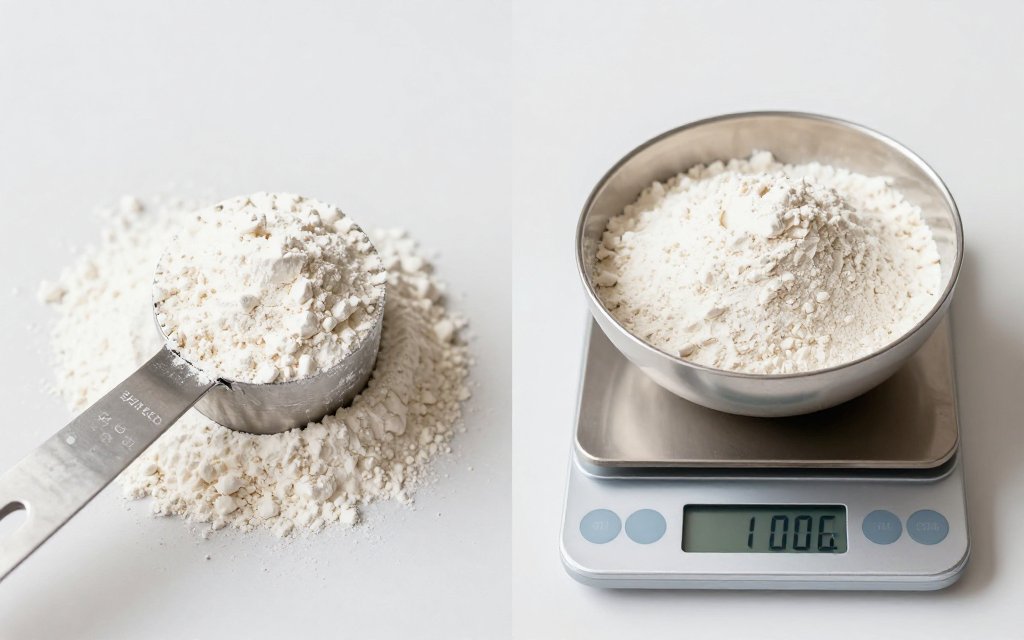
You also wash fewer dishes. Set a bowl on the scale, press tare, and add each ingredient to its target weight. It's quicker than leveling five cups, and your results come out the same every time.
A cup of flour can be 4.25 ounces or a lot more depending on your scoop. A scale reads the same every time.
Quick answers about cups and ounces
1 cup is how many ounces of butter?
A cup of butter is 8 ounces, or two standard US sticks at 4 ounces each. King Arthur lists half a cup at 4 ounces, or 113 grams, so a full cup is 8 ounces and about 226 grams.
How many ounces in a cup of flour?
A spooned and leveled cup of all-purpose flour weighs about 4.25 ounces, or 120 grams. Whole wheat flour is a bit lighter at about 4 ounces per cup, and packing the flour pushes either number up.
How many oz in a cup of milk?
By volume, a cup of milk is 8 fluid ounces. By weight it's also about 8 ounces, or 227 grams, since milk is mostly water. That makes milk one of the few ingredients where the two answers match.
Need to weigh a cup of flour or a pile of chocolate chips fast? Download Scale for Grams and get an AI-powered weight estimate from a photo in seconds. Get the app here: iOS.
Scale for Grams
Möchtest du etwas wiegen?
Lade Scale for Grams und erhalte in Sekunden eine KI-Gewichtsschätzung anhand eines Fotos.
